
Quick and Easy One-Pot Pasta Primavera for a Stress-Free Dinner
 Chef Emily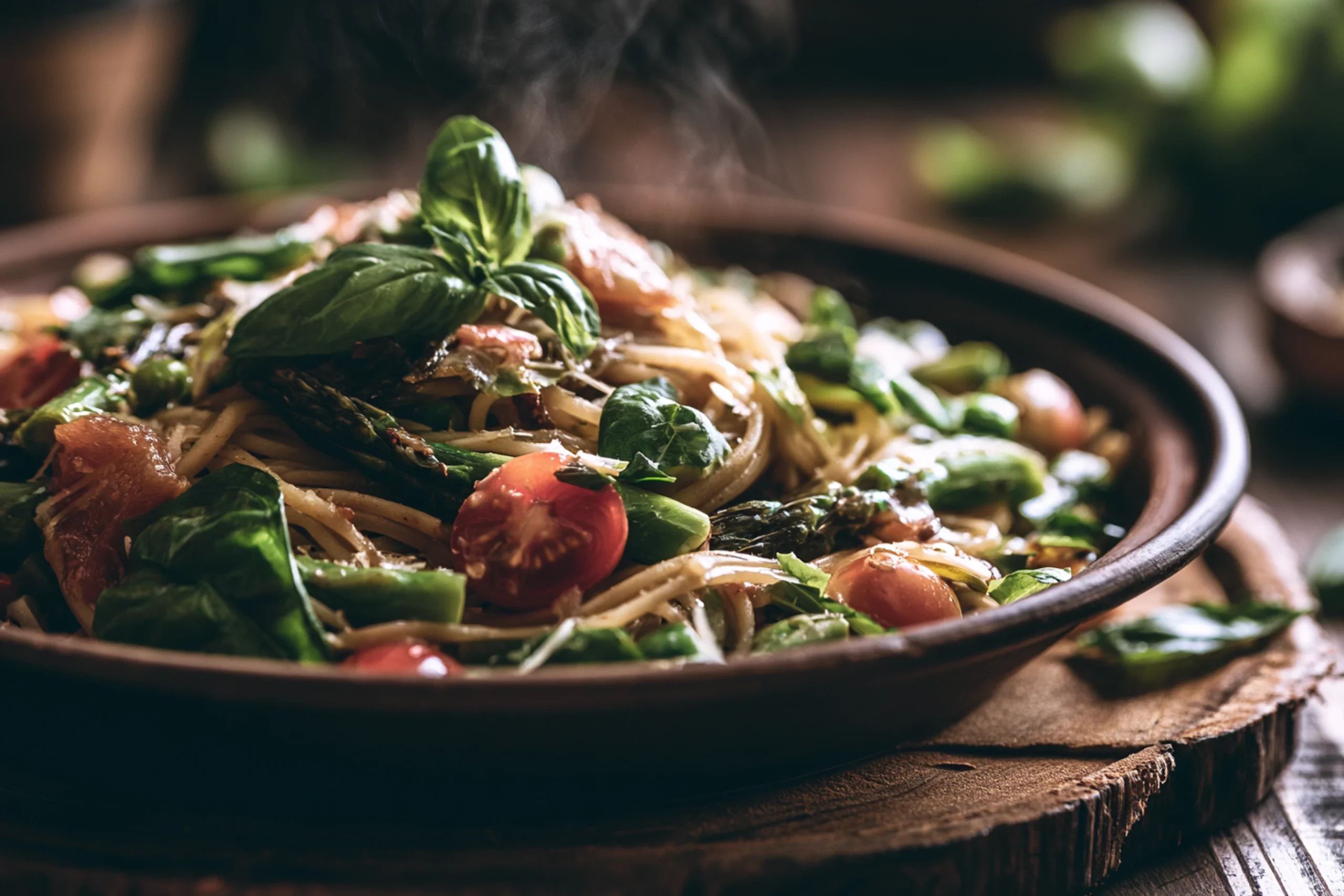
Enjoy a Quick and Easy One-Pot Pasta Primavera for a delightful weeknight dinner in just 30 minutes!
🎙️ Hands-free — steps read aloud as you cook
I have cooked this one-pot pasta primavera on countless busy weeknights and it never ceases to amaze me how a few fresh ingredients can come together to create a vibrant and satisfying meal. This easy dinner recipe not only helps me avoid the chaos of washing multiple pots and pans, but it also brings together a delightful medley of vegetables and pasta that my family loves. Whether it’s a hectic Tuesday or a relaxed Friday night, this dish is a go-to dinner idea that never disappoints.
Why This One-Pot Pasta Primavera Is the Perfect Dinner
One of the best things about one-pot pasta primavera is its simplicity. With just one pot, you can cook everything from the pasta to the vegetables, allowing the flavors to meld beautifully. Plus, the prep time is minimal, making it ideal for those evenings when you want to whip up something delicious without spending hours in the kitchen. As the pasta cooks, it absorbs the flavors of the vegetables, garlic, and spices, creating a rich and satisfying sauce that coats every strand.
This dish is incredibly adaptable too, which is one reason I love it so much. You can customize it based on what you have on hand or what’s in season. Whether you prefer zucchini, bell peppers, or cherry tomatoes, each vegetable adds its own unique flavor and texture. This versatility makes it a fantastic family dinner option because everyone can enjoy their favorite ingredients while still keeping it healthy and balanced.
Tips for the Best One-Pot Pasta Primavera
To ensure your one-pot pasta primavera turns out perfectly every time, one key tip is to always use fresh ingredients. Fresh vegetables not only enhance the flavor but also provide vibrant colors that make the dish visually appealing. When sautéing the garlic, be careful not to let it burn, as this can impart a bitter taste to the entire dish. Instead, allow it to soften just until fragrant before adding the other ingredients. Another important tip is to reserve some of the pasta water before draining it. This starchy water can be added back to the pot to help create a silky sauce that clings to the pasta just right.
What to Serve With This Dinner
This one-pot pasta primavera pairs beautifully with a light salad or some crusty garlic bread. A simple arugula salad dressed with lemon and olive oil complements the flavors of the pasta while adding a refreshing crunch. If you’re in the mood for something heartier, serving it alongside grilled chicken or shrimp can transform this dish into a more substantial meal. For more dinner ideas, check out this link for a variety of recipes that can elevate your dining experience.
Storage and Make-Ahead
If you find yourself with leftovers, don’t worry! This one-pot pasta primavera stores well in the refrigerator for up to three days. Just be sure to let it cool completely before transferring it to an airtight container. When reheating, add a splash of olive oil or a bit of reserved pasta water to bring back its creamy texture. You can also make this dish ahead of time and simply reheat it when you’re ready to serve, which makes it a fantastic option for meal prep during busy weeks.
Variations to Try
Feel free to get creative with this one-pot pasta primavera! You can easily swap out the vegetables based on what you have available or what’s in season. For a protein boost, consider adding chickpeas or cooked chicken. If you’re looking for a vegan option, simply omit any animal products and replace with vegetable broth instead of water when cooking the pasta. The possibilities are endless, and this dish can adapt to fit any dietary preference. For safe cooking temperatures, check out this resource.
As I reflect on my first attempts at making this dish, I remember being surprised by how quickly
Tips for Success
In my kitchen, I’ve learned a few tricks to make one-pot pasta primavera even more foolproof. First, I always start by heating the pot properly before adding any oil or ingredients. This ensures that the vegetables sauté evenly and don’t stick to the bottom. Second, I like to add the vegetables in stages, starting with the ones that take longer to cook, like carrots or broccoli, and finishing with quicker-cooking veggies like spinach or cherry tomatoes. This way, everything is perfectly tender without being overcooked.
Another tip I swear by is seasoning the dish as you go. I add a pinch of salt and pepper at each stage of cooking—when sautéing the garlic, when adding the vegetables, and finally when mixing in the pasta. This builds layers of flavor that make the dish truly irresistible. Lastly, I always taste the dish before serving and adjust the seasoning if needed. Sometimes a squeeze of lemon juice or a sprinkle of red pepper flakes can take it to the next level.
One more thing I’ve found helpful is choosing the right pasta shape. While any pasta will work, I prefer shapes like penne, fusilli, or farfalle because they hold onto the sauce beautifully. If you’re using long pasta like spaghetti, I recommend breaking it into smaller pieces to make it easier to mix with the vegetables.
Variations & Substitutions
One of the reasons I adore this recipe is how customizable it is. If you don’t have broccoli, try swapping in asparagus or green beans. For a sweeter flavor, add diced butternut squash or sweet potatoes. If you’re looking for a creamier texture, stir in a splash of coconut milk or plant-based cream at the end. I’ve even tried adding sun-dried tomatoes or roasted red peppers for a burst of intense flavor.
For those who love a bit of heat, adding chili flakes or diced jalapeños can give the dish a spicy kick. If you’re cooking for kids or prefer a milder flavor, skip the garlic or use garlic powder instead. For a gluten-free version, simply swap the regular pasta for your favorite gluten-free variety. I’ve also experimented with adding different herbs like basil, thyme, or parsley, depending on what’s in my garden.
If you’re looking to make this dish more filling, consider adding protein. Grilled tofu, cooked shrimp, or even canned beans can turn this into a complete meal. I’ve also tried adding cooked sausage or bacon for a smoky twist. The beauty of this recipe is that it’s a blank canvas—you can make it your own!
Serving Suggestions
When it comes to serving this one-pot pasta primavera, I love to keep things simple yet satisfying. A side of garlic bread is always a hit—it’s perfect for soaking up any extra sauce. If I’m in the mood for something lighter, a simple green salad with a tangy vinaigrette balances the richness of the pasta beautifully.
For a heartier meal, I’ll pair it with grilled chicken or fish. Lemon herb chicken or garlic butter shrimp are two of my favorites. If I’m hosting a dinner party, I’ll often serve this pasta as the main dish alongside a charcuterie board or antipasto platter. It’s a crowd-pleaser that pairs well with almost anything.
For a fun twist, I’ve also served this pasta in individual bowls topped with a sprinkle of Parmesan cheese or nutritional yeast. Adding a drizzle of high-quality olive oil or a handful of toasted pine nuts can elevate the dish even further. If you’re feeling adventurous, try serving it with a side of roasted vegetables or a warm baguette for dipping.
Storage & Reheating
Storing leftovers of this one-pot pasta primavera is a breeze, and I always make extra because it reheats so well. Once the dish has cooled completely, I transfer it to an airtight container and store it in the refrigerator for up to three days. If I’m planning to keep it longer, I’ll freeze it in portions for up to a month.
When reheating, I like to add a splash of water or vegetable broth to loosen the sauce and prevent it from drying out. If I’m using a microwave, I’ll cover the dish with a damp paper towel to keep it moist. For stovetop reheating, I’ll warm it over low heat, stirring occasionally until it’s heated through. Adding a drizzle of olive oil or a sprinkle of fresh herbs before serving can make it taste just as good as the first time.
If I’m meal prepping for the week, I’ll portion the pasta into individual containers for easy grab-and-go lunches. Adding a handful of fresh spinach or arugula before reheating can give it a fresh twist. This dish is truly versatile and just as delicious the next day!
Pro Kitchen Tips
💡 Use seasonal vegetables for the best flavor.
💡 Reserve some pasta water to adjust the sauce consistency when serving.
💡 Sauté vegetables until just tender to retain some crunch.
Frequently Asked Questions
Quick and Easy One-Pot Pasta Primavera for a Stress-Free Dinner
Interactive recipe card — scale and check items as you cook!
Ingredients Needed
Instructions
Preparation
Cooking
Serving
📝 Notes
I learned that using fresh vegetables truly elevates the dish, making it vibrant and delicious. Don't hesitate to experiment with different flavors!
🍎 Nutrition (per serving)
* Nutrition is an estimate and may vary by ingredients/brands.
Reviews (152)
⭐ Did you make this recipe? We'd love to hear how it turned out — leave a quick rating below and help other home cooks!

Easy Meals for Dinner: 30-Minute Family Favorites
Chef Emily 🕐 7 Mins Read
Easy Dinner Ideas: 30-Minute Meals for Stress-Free Nights
Chef Emily 🕐 7 Mins Read
Fluffy French Toast Recipe: Breakfast Bliss in 30 Minutes
Chef Emily 🕐 8 Mins Read
Simple Dinner Ideas for Busy Weeknights: 30-Minute Dinners
Chef Emily 🕐 7 Mins Read
Leave a Review