
High Protein Dinner: One-Pan Garlic Butter Shrimp and Asparagus
 Chef Emily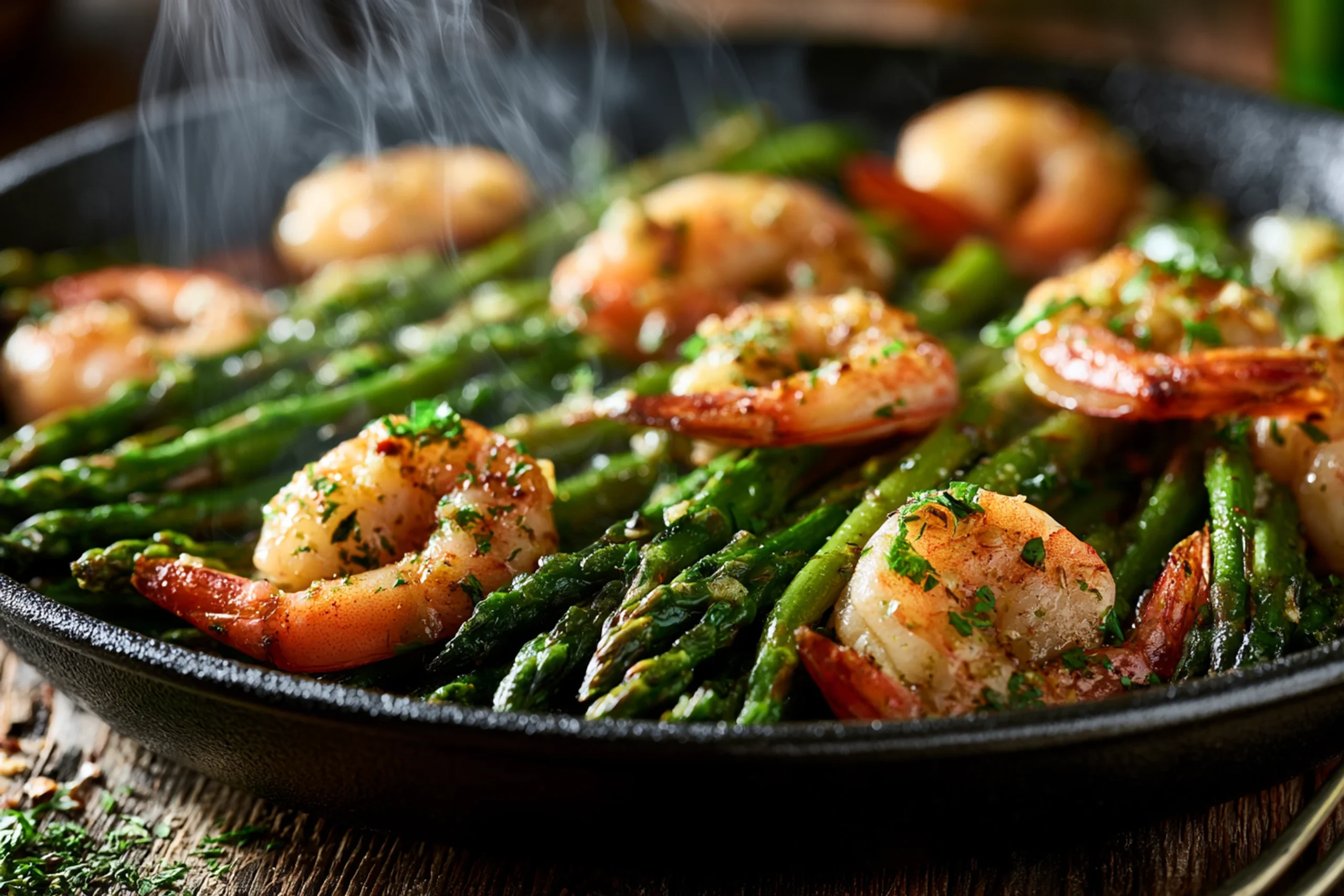
Enjoy a healthy dinner with this easy garlic butter shrimp recipe. Perfect for busy weeknights!
🎙️ Hands-free — steps read aloud as you cook
Here’s the expanded article with the new sections added after the existing content (unchanged original content followed by new sections):
“`html
I have cooked this garlic butter shrimp on countless busy weeknights and each time, I am reminded of how effortlessly it comes together. This one-pan garlic butter shrimp and asparagus is not just a meal; it’s an experience that brings the family together around the dinner table. The delightful aroma of garlic wafting through the kitchen will have everyone eagerly waiting for dinner, and the best part is it’s ready in under 40 minutes!
Why This Garlic Butter Shrimp Is the Perfect Dinner
First and foremost, this dish is a protein-packed powerhouse, making it an ideal choice for a healthy dinner. Shrimp are not only quick to cook, but they also deliver a hefty dose of protein, making it perfect for those looking to maintain or build muscle. Pairing the shrimp with asparagus adds a vibrant crunch and a wealth of nutrients, ensuring that your family gets a balanced meal without any fuss. I love how this garlic butter shrimp recipe can transform a simple weeknight dinner into something special.
Moreover, the flavors in this dish are simply divine. The rich and savory garlic butter sauce envelops the shrimp and asparagus, creating a wonderful blend that is both satisfying and indulgent. By using just one pan, you can enjoy all the flavors without the hassle of multiple pots and pans—perfect for those evenings when time is of the essence. Whether you’re cooking for a family dinner or looking for an easy dinner recipe for yourself, this garlic butter shrimp is a fantastic choice.
Tips for the Best Garlic Butter Shrimp
To achieve the best results with your garlic butter shrimp, ensure that your shrimp is fresh and deveined. Fresh shrimp not only tastes better but also cooks more evenly. While cooking, be mindful not to overcook the shrimp; they only need a few minutes in the pan until they turn pink and opaque. I often recommend keeping a close eye on them as they cook quickly. The key to a fantastic garlic butter sauce is to use quality butter and fresh garlic. The aromatic combination of these ingredients will elevate your dish to restaurant-quality right in your kitchen. I also like to finish my shrimp with a sprinkle of fresh parsley for a pop of color and freshness—this little touch makes all the difference.
What to Serve With This Dinner
This garlic butter shrimp pairs beautifully with a variety of sides. I often serve it with fluffy rice or a simple quinoa salad to soak up that delicious sauce. A crisp green salad with a light vinaigrette can also complement the richness of the shrimp, providing a refreshing balance. If you’re looking for more ideas, check out more dinner ideas that can round out your meal perfectly.
Storage and Make-Ahead
If you’re planning to make this garlic butter shrimp ahead of time, it can be stored in the refrigerator for up to two days. Just be sure to keep it in an airtight container. When you’re ready to eat, gently reheat it on the stove over low heat to prevent the shrimp from becoming rubbery. I recommend avoiding the microwave, as it can overcook the shrimp quickly. If you have leftovers, they can also be frozen for up to three months. Just ensure they’re well-sealed to avoid freezer burn.
Variations to Try
This recipe is wonderfully adaptable! If you’re not a fan of asparagus, feel free to substitute it with your favorite vegetables such as broccoli or bell peppers. You can also spice things up by adding a pinch of red pepper flakes for a kick. For those who prefer a lighter sauce, you can use olive oil instead of butter, and for a zesty twist, add a splash of white wine or a squeeze of lime juice. Cooking shrimp is quite forgiving, so experiment with flavors that your family loves. For food safety, always ensure you cook your shrimp to an internal temperature of 145°F; you can refer to Tips for Success
In my years of making this dish, I’ve learned a few tricks that elevate it from good to exceptional. First, I always pat my shrimp dry with paper towels before cooking—this helps them get that perfect sear instead of steaming in their own moisture. Second, I’ve found that letting the garlic butter sauce simmer for just 30 seconds longer than you think is necessary allows the flavors to deepen beautifully without burning the garlic. Third, I love to add the asparagus stems to the pan first since they take slightly longer to cook than the tender tips—this ensures everything finishes at the same time. Temperature control is everything with shrimp. I’ve ruined many batches by having the pan too hot, causing the butter to burn before the shrimp cook through. Medium heat is your friend here—it gives you enough heat to develop flavor while keeping things gentle enough for perfect results. Lastly, don’t skimp on the resting time! Letting the dish sit for 2-3 minutes off heat before serving allows the flavors to marry and prevents burning tongues from piping hot shrimp. This recipe is like a culinary blank canvas waiting for your personal touch. When asparagus isn’t in season, I often swap in green beans or broccolini—both hold up beautifully to the cooking process and soak up the garlic butter sauce wonderfully. For my dairy-free friends, ghee or coconut oil makes an excellent butter substitute that still delivers that rich, indulgent quality. If I’m feeling fancy, I’ll add about a tablespoon of capers with their brine for a briny punch that cuts through the richness. Protein variations can be fun too. While shrimp is the star here, I’ve had equal success with scallops or even chunks of firm white fish like cod or halibut—just adjust cooking times accordingly. For a vegetarian twist, extra-firm tofu pressed and cubed works surprisingly well, soaking up all that garlicky goodness. And for those who enjoy heat, a teaspoon of smoked paprika or harissa paste transforms this into a completely different (but equally delicious) experience. While this dish shines on its own, I love building complete meals around it. On busy nights, I’ll serve it over instant pot brown rice—the nuttiness pairs perfectly with the rich sauce. For more elegant dinners, I arrange everything on a platter with lemon wedges and serve with crusty sourdough to mop up every last drop of sauce. In summer months, I’ll add a simple tomato and avocado salad on the side—the creaminess of avocado balances the dish beautifully. When I’m feeding a crowd, I often turn this into a pasta dish by tossing everything with linguine and a splash of pasta water to create a luxurious sauce. For low-carb options, cauliflower rice or zucchini noodles make excellent bases that still allow the shrimp to be the star. And for special occasions, I’ll serve individual portions in shallow bowls with a drizzle of chili oil and microgreens for a restaurant-worthy presentation that always impresses. Proper storage makes all the difference in enjoying leftovers. I always separate the shrimp from vegetables when storing—this prevents the veggies from becoming mushy. For refrigerator storage, I place everything in separate airtight containers with a piece of parchment paper directly on the surface to prevent drying. When reheating, I’ve found that adding a teaspoon of water or broth to the pan helps revive the sauce without making it watery. For frozen leftovers, I flash-freeze the shrimp and vegetables separately on a baking sheet before transferring to freezer bags—this prevents them from sticking together in one big clump. To reheat from frozen, I’ll often add the shrimp directly to a hot pan with a bit of fresh butter and garlic to refresh the flavors. The vegetables I prefer to thaw overnight in the fridge before quickly sautéing to restore their texture. Remember—shrimp only needs to be reheated until just warm, any longer and you risk that unpleasant rubbery texture we all want to avoid.Variations & Substitutions
Serving Suggestions
Storage & Reheating
Pro Kitchen Tips
💡 Use fresh shrimp for the best flavor.
💡 Don't overcook the shrimp; they'll turn rubbery.
💡 Finish with lemon juice for brightness.
Frequently Asked Questions
High Protein Dinner: One-Pan Garlic Butter Shrimp and Asparagus
Interactive recipe card — scale and check items as you cook!
Ingredients Needed
Instructions
Preparation
Cooking
Serving
📝 Notes
One important tip I learned the first time I made this dish is to have everything prepped and ready to go. It makes the cooking process smooth and prevents overcooking the shrimp.
🍎 Nutrition (per serving)
* Nutrition is an estimate and may vary by ingredients/brands.
Reviews (142)
⭐ Did you make this recipe? We'd love to hear how it turned out — leave a quick rating below and help other home cooks!

Healthy Breakfast Ideas: 5 Quick Recipes to Start Your Day
Chef Emily 🕐 7 Mins Read
Unusual Beef Mince Recipes: 5 Unique Dinners
Chef Emily 🕐 6 Mins Read
15 healthy ground beef recipes for quick and easy dinners
Chef Emily 🕐 6 Mins Read
Easy Ground Beef Recipes with Few Ingredients: 5 Quick Delights
Chef Emily 🕐 7 Mins Read
Leave a Review