
One-Pan Creamy Tuscan Chicken: An Easy Weeknight Dinner
 Chef Emily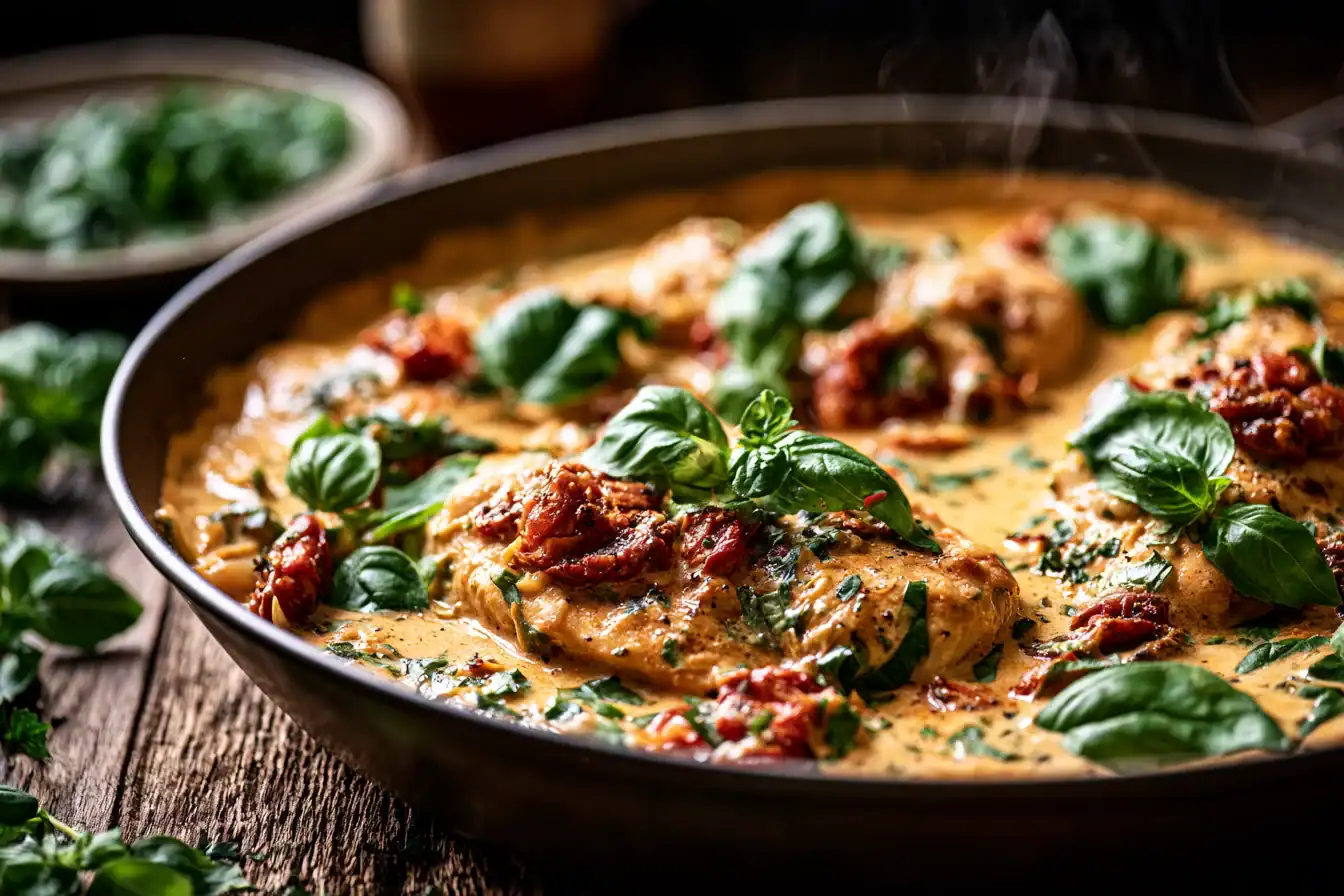
Enjoy this easy, 30-minute creamy Tuscan chicken for a quick weeknight dinner that's flavorful and satisfying.
🎙️ Hands-free — steps read aloud as you cook
If you’re looking for a quick and delicious dinner idea, look no further than this One-Pan Creamy Tuscan Chicken. This dish encapsulates the vibrant flavors of Tuscany, mixing juicy chicken thighs with a rich, creamy sauce that’s bursting with the goodness of garlic and fresh herbs. Perfect for a weeknight dinner, this recipe will have your family raving about dinner while you enjoy the simplicity of cooking in just one pan!
Why This Creamy Tuscan Chicken Is the Perfect Dinner
The beauty of this creamy Tuscan chicken recipe lies not only in its flavor but also in its convenience. In just 30 minutes, you can create a mouthwatering family dinner that requires minimal cleanup. The combination of tender chicken thighs, aromatic garlic, and a luscious cream sauce makes it a comforting meal that feels indulgent without needing hours in the kitchen. Plus, the vibrant colors of the dish make it visually appealing, adding an extra touch of elegance to your weeknight dining experience.
Another reason this creamy Tuscan chicken stands out is its versatility. Whether you’re serving it over a bed of pasta, with a side of rice, or simply alongside some roasted vegetables, this dish adapts beautifully to suit your family’s preferences. It’s a dinner idea that caters to both the busy weeknight schedule and the need for something delicious and satisfying. You can easily scale the recipe up or down depending on your family size, making it perfect for both small gatherings and family dinners.
Tips for the Best Creamy Tuscan Chicken
To ensure your creamy Tuscan chicken turns out perfectly, start with high-quality chicken thighs. Bone-in, skin-on thighs not only provide more flavor but also remain juicy and tender throughout the cooking process. When searing the chicken, make sure your pan is hot enough to achieve a nice golden-brown crust, which adds depth to the dish. Don’t rush the browning; it enhances the overall flavor of your creamy sauce. Additionally, when adding the cream, allow it to simmer gently to thicken without boiling, as this will help create a rich and velvety texture. Lastly, a sprinkle of fresh parsley before serving not only elevates the presentation but also adds a burst of freshness that ties all the flavors together.
What to Serve With This Dinner
This creamy Tuscan chicken pairs wonderfully with a variety of sides. Consider serving it over al dente pasta or creamy risotto to soak up the delicious sauce. A simple side salad with mixed greens and a light vinaigrette can provide a fresh contrast to the richness of the dish. If you’re looking for something heartier, roasted vegetables or garlic bread are excellent choices that complement the flavors beautifully. For more dinner ideas that can complete your meal, check out our recipe collection.
Storage and Make-Ahead
This creamy Tuscan chicken can be made ahead of time, making it a fantastic option for meal prepping. After cooking, allow the chicken to cool completely before transferring it to an airtight container. It can be stored in the refrigerator for up to three days. When you’re ready to enjoy, simply reheat it on the stovetop over low heat, adding a splash of cream if the sauce has thickened too much. For longer storage, you can freeze the cooked chicken in a freezer-safe container for up to three months. Just remember to thaw it in the refrigerator overnight before reheating.
Variations to Try
If you want to switch things up, there are plenty of variations to explore with this creamy Tuscan chicken. For a healthier twist, consider using chicken breasts instead of thighs, though they may require a little more care to ensure they don’t dry out. You can also experiment by adding spinach or sun-dried tomatoes to the sauce for an extra punch of flavor and nutrition. For a dairy-free version,
Tips for Success
In my kitchen, I’ve found that letting the chicken thighs come to room temperature before cooking makes a world of difference. Cold chicken straight from the fridge tends to seize up in the pan, while room-temperature meat browns more evenly and stays juicier. I love to pat the chicken dry with paper towels before seasoning—this simple step helps achieve that perfect golden crust we all crave.
When building the sauce, I always recommend using freshly minced garlic rather than pre-minced. The flavor difference is remarkable, and it only takes an extra minute of prep. I’ve learned to add the garlic just as the chicken is removed from the pan, letting it cook gently in the residual heat to prevent burning while still releasing all its aromatic goodness.
One trick I swear by is finishing the dish with a splash of lemon juice or white wine vinegar. The acidity cuts through the richness of the cream and brightens all the flavors beautifully. Just a tablespoon stirred in at the end makes the sauce taste more complex and balanced. If you’re using wine, let it reduce by half before adding the cream to cook off the alcohol and concentrate the flavor.
Don’t be afraid to let the sauce simmer longer than you think necessary. Cream sauces need time to develop their full texture and flavor. I typically let mine bubble gently for at least 5-7 minutes after adding all the ingredients, stirring occasionally. This patience pays off with a luxuriously thick sauce that clings perfectly to the chicken.
Variations & Substitutions
For those nights when I want to lighten things up, I’ve had great success substituting half the heavy cream with full-fat coconut milk. It maintains the creamy texture while adding a subtle tropical note that pairs surprisingly well with the Tuscan flavors. Nutritional yeast can add a cheesy depth if you’re avoiding dairy altogether.
Protein substitutions work wonderfully here too. I’ve made this with boneless pork chops (cooked to 145°F internal temperature) with fantastic results. Even shrimp or scallops make excellent alternatives—just reduce the cooking time significantly. For vegetarian friends, I’ll use thick slices of portobello mushrooms or cauliflower steaks as the base.
The herb profile is completely adaptable based on what’s in my garden or fridge. While the classic combination is thyme and parsley, I’ve used rosemary, sage, and even a touch of tarragon with great success. In winter months when fresh herbs are scarce, I’ll use 1/3 the amount of dried herbs, rubbing them between my fingers to release their oils before adding.
If you’re looking to bulk up the vegetable content, this recipe welcomes all sorts of additions. I often stir in a handful of baby spinach during the last two minutes of cooking, letting it wilt into the sauce. Roasted red peppers, artichoke hearts, or sautéed zucchini all make wonderful additions that feel true to the Tuscan spirit.
Serving Suggestions
In our household, we adore serving this creamy Tuscan chicken over freshly made pappardelle pasta. The wide ribbons cradle the sauce beautifully, and I’ll often toss the cooked pasta with a bit of the sauce before plating to ensure every bite is flavorful. For gluten-free options, chickpea pasta or zucchini noodles work wonderfully.
When I want to make it a complete Italian feast, I’ll pair it with my favorite garlic knots and a simple arugula salad dressed with lemon and shaved parmesan. The peppery arugula cuts through the richness while the garlic knots are perfect for sopping up every last drop of sauce. A glass of crisp Pinot Grigio completes the experience.
For heartier appetites, I’ll serve it alongside creamy polenta or cheesy risotto. The textures play off each other beautifully, and the mild flavors of these starches let the Tuscan chicken shine. Roasted fingerling potatoes tossed with rosemary make another satisfying accompaniment, especially in cooler months.
Don’t overlook the power of a good vegetable side. I often roast Brussels sprouts with pancetta or make a quick sauté of green beans with almonds to add color and nutrition to the plate. The key is choosing sides that provide contrast—either in texture, temperature, or flavor profile—to keep the meal interesting.
Storage & Reheating
I always make extra of this dish because it reheats beautifully for lunches throughout the week. The key is storing the chicken and sauce together in an airtight container with a piece of parchment paper pressed directly onto the surface before sealing. This prevents a skin from forming on the sauce during refrigeration.
When reheating, I’ve found the stovetop method works best. I’ll place the chicken and sauce in a skillet over medium-low heat with a splash of chicken broth or milk to loosen the sauce. Covering the pan for the first few minutes helps the chicken heat through gently without drying out. Stir occasionally until everything is piping hot.
For single portions, the microwave can work in a pinch. I’ll place the chicken and sauce in a microwave-safe dish, cover it with a damp paper towel, and heat at 50
Pro Kitchen Tips
💡 Use fresh herbs for the best flavor.
💡 Allow the chicken to rest before slicing for juiciness.
💡 Pair with a light salad to balance the richness.
Frequently Asked Questions
One-Pan Creamy Tuscan Chicken: An Easy Weeknight Dinner
Interactive recipe card — scale and check items as you cook!
Ingredients Needed
Instructions
📝 Notes
This dish is perfect for busy weeknights and impressing guests alike!
🍎 Nutrition (per serving)
* Nutrition is an estimate and may vary by ingredients/brands.
Reviews (246)
⭐ Did you make this recipe? We'd love to hear how it turned out — leave a quick rating below and help other home cooks!

Easy Meals for Dinner: 30-Minute Family Favorites
Chef Emily 🕐 7 Mins Read
Easy Dinner Ideas: 30-Minute Meals for Stress-Free Nights
Chef Emily 🕐 7 Mins Read
Fluffy French Toast Recipe: Breakfast Bliss in 30 Minutes
Chef Emily 🕐 8 Mins Read
Simple Dinner Ideas for Busy Weeknights: 30-Minute Dinners
Chef Emily 🕐 7 Mins Read
Leave a Review